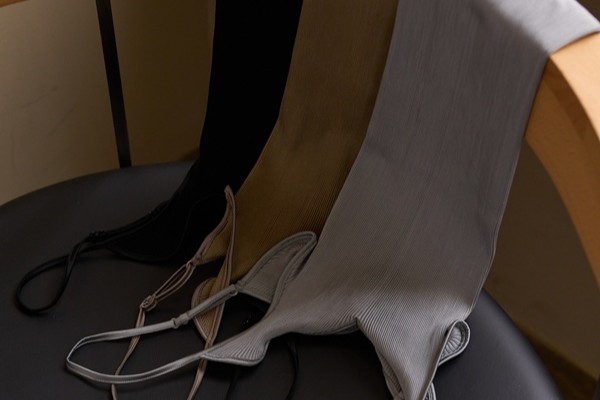
「シルク100%」と聞くと、それだけで、なめらかで心地よいものを思い浮かべるかもしれません。けれど、同じシルク100%の生地でも、どんなシルク糸を使い、どう加工し、どう染め、そしてどう編むのかによって、その肌触りも、光沢も、色の見え方も驚くほど変わります。
AROMATIQUEでは、ブランドが始まった頃から、肌に直接触れるシルクインナーをつくり続けてきました。以前のJournalでは、そのシルクを少しずつアップデートしながら、今の私たちが心地よいと思える風合いへと変えてきたことをお話ししました。今回はそこからもう少し深く。AROMATIQUEのシルクインナーに使われている「生糸」とは、そもそもどんなものなのか。糸から生地になるまで、その始まりを辿ってみたいと思います。
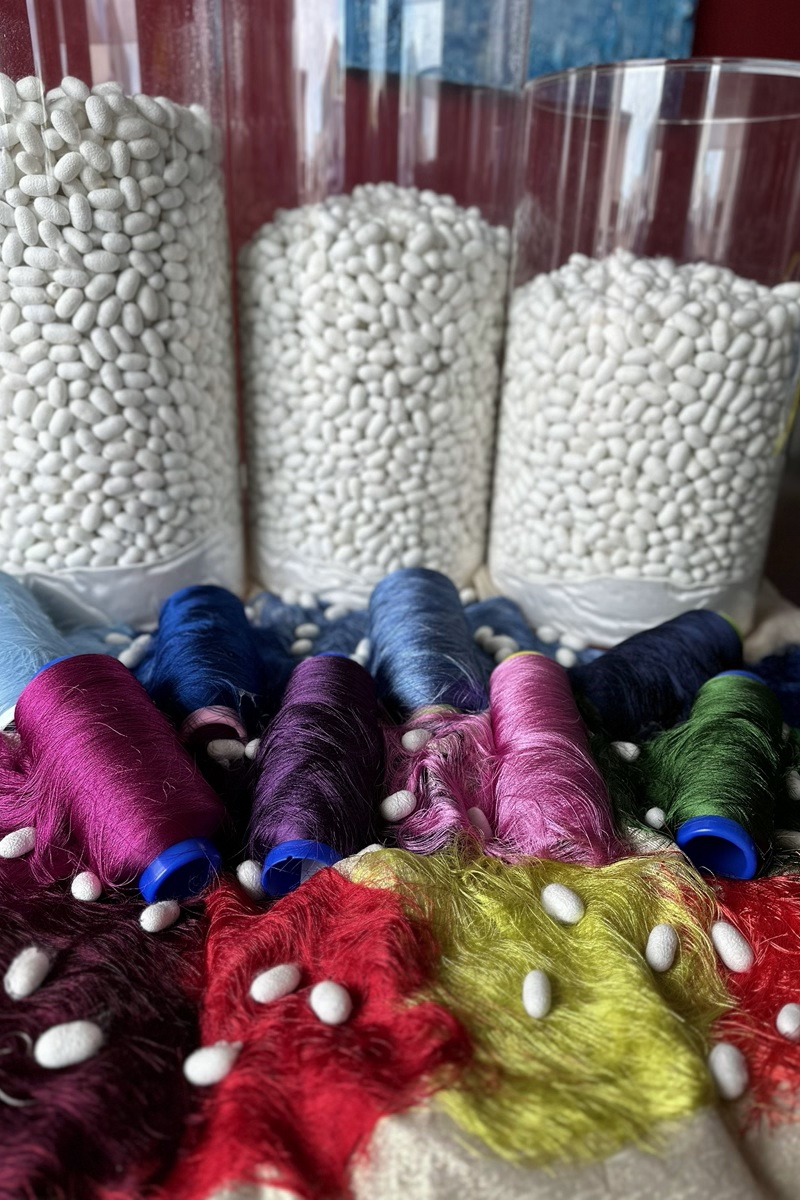
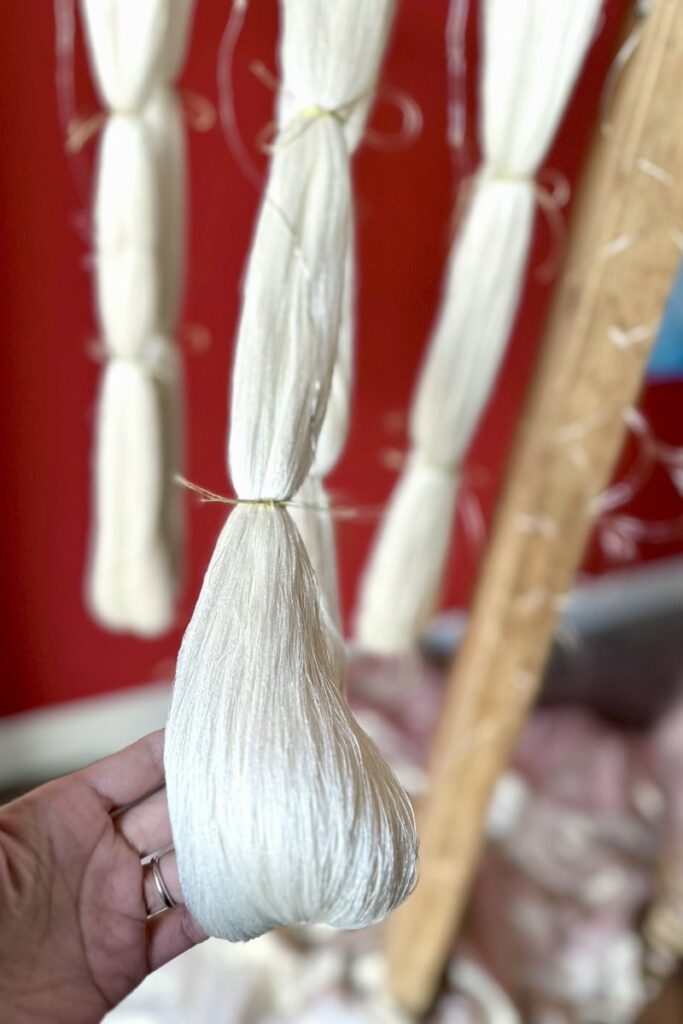
私たちが使っているのは、「生糸」と呼ばれるシルクです。生糸とは、蚕の繭から一本の長い繊維を切らずに繰り取り、何本かを束ねてつくられる糸のこと。短い繊維を紡いでつくる絹紡糸とは異なり、長い繊維が連続しているため毛羽が少なく、表面がなめらかで、シルクらしい美しい光沢を持っています。
実は、この生糸を選んだのは私ではありません。AROMATIQUEのシルクが生まれた当初、先代の父が目指していたのは、今よりも少しシャリ感のある、さらりとしたシルクでした。その質感をつくるために選ばれたのが、生糸を使った糸づくりです。
一方で、私自身が好きなのは、もう少しやわらかく、身体にふわりと沿うシルクです。そこで数年前、イタリアのOngettaを訪れ、糸の細さや撚り、加工方法をあらためて見直しました。生糸という出発点は変えずに、その先のつくり方を変えることで、なめらかな表情や美しい艶を残しながら、今のAROMATIQUEが求める、よりやわらかな風合いへ。それが、現在のシルクにつながっています。
私たちが生糸を使い続ける理由は、長い繊維ならではのなめらかな表面と、繊細な艶。そして、身体に沿ったときの美しい表情にあります。AROMATIQUEがシルクに求めているのは、肌に触れたときの心地よさだけではありません。纏ったときに美しく、光を受けたときには静かな艶があり、色そのものにも奥行きを感じられること。そのすべてを大切にしたいと考えています。
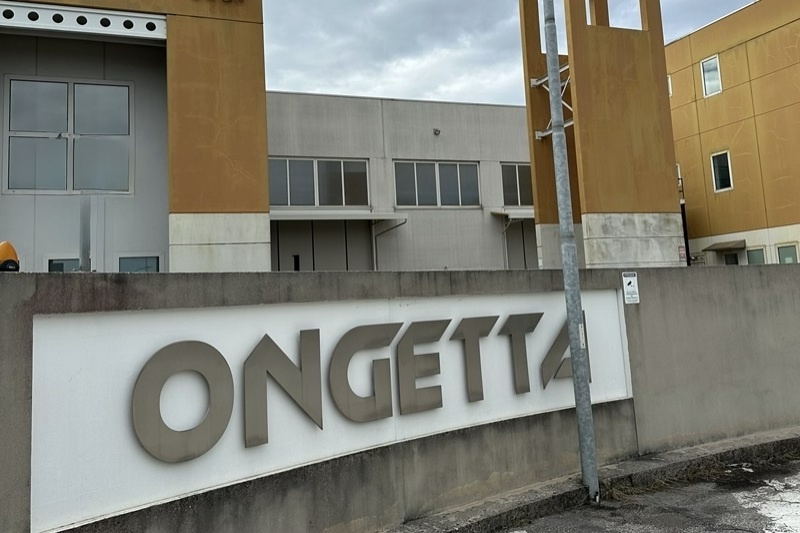
その糸をつくっているのが、イタリア・ヴェネツィア近郊にあるOngettaです。100年以上にわたりシルクに携わり、長繊維のシルクを中心に糸づくりを続けてきた会社です。シルクという素材を深く知る彼らと出会い、AROMATIQUEが求める風合いや色を伝えながら、私たちのための糸をつくってもらっています。
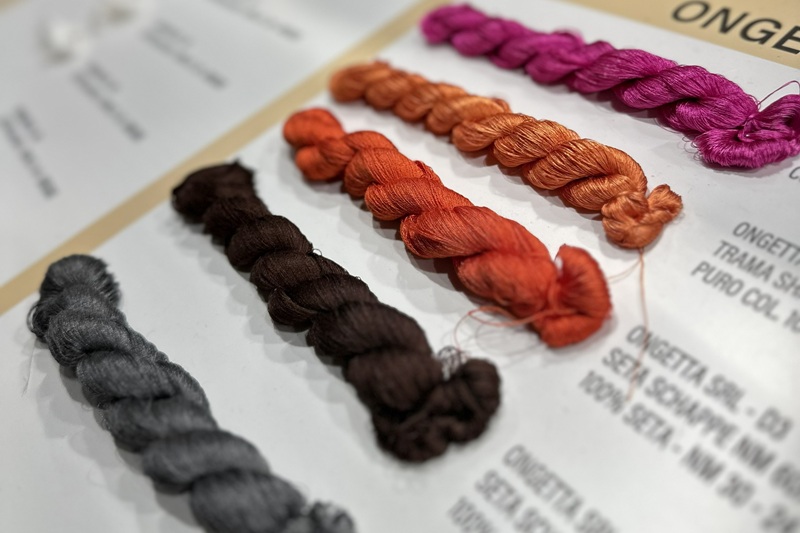
そして、AROMATIQUEのシルクを語るうえで、もうひとつ欠かせないのが「色」です。私たちは、生地になってから色をつけるのではなく、イタリアで糸の段階から染める、先染めのシルクを使っています。黒やエクリュといった定番色はもちろん、シーズンごとに生まれる繊細なニュアンスカラーも、AROMATIQUEにとって大切なもの。生糸のなめらかな表情と、Ongettaの染色技術が重なることで、深さがありながら濁らない、独特の美しい色が生まれます。
国内でも同じものをつくれないかと探したことがあります。けれど、私たちが求める条件で、ここまでの発色と風合いを表現できる先染めのシルクには、まだ出会えていません。遠くイタリアから糸を取り寄せること自体に意味があるのではなく、欲しい色と質感を求めていった先に、今もこの糸がある。だから私たちは、Ongettaの生糸を使い続けています。
そして、イタリアから届いた糸は、日本で生地になります。
編み立てるのは、和歌山のニッターです。AROMATIQUEのシルクは、編み機をゆっくりと動かし、針を抜きながら、時間をかけて編み立てています。目を詰めすぎず、ゆったりと編むことで、生地の中に空気を含ませる。それが、触れたときのふっくらとしたやわらかさや、身体に自然に馴染む、あの独特の風合いにつながっています。
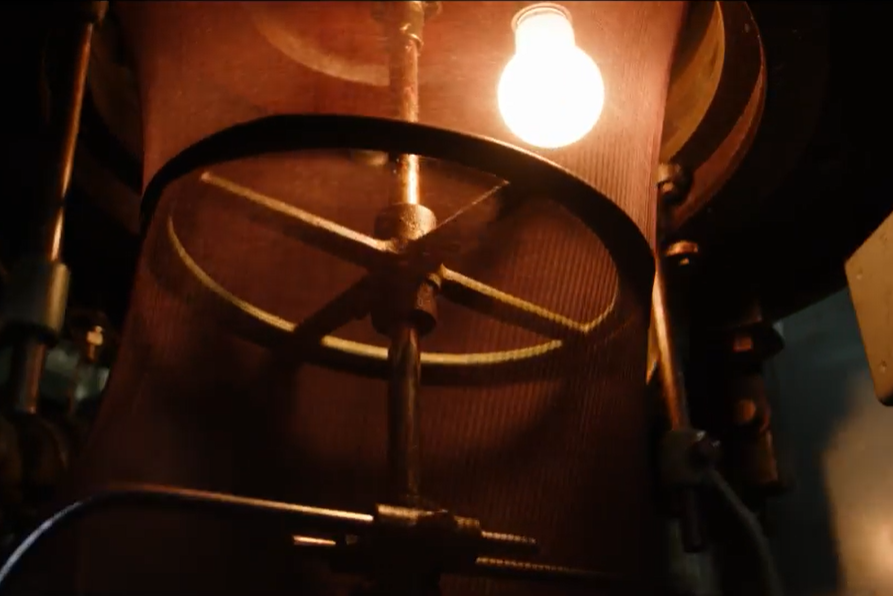
実は最近、同じシルクの糸を使って、高速の編み機でも生地を編んでみたことがあります。仕上がった生地を触って、その違いには驚きました。同じ糸を使っているにもかかわらず、いつものAROMATIQUEのシルクとはまったく違う、もっと硬く、密度を感じる風合いに仕上がったのです。
生地の風合いは、糸だけで決まるものではありません。糸の種類や撚り、加工方法、そして編み機や編む速度、針の使い方。さまざまな条件を変えることで、それぞれに異なる風合いが生まれます。
だからAROMATIQUEでは、生糸の持つなめらかさや美しい艶を生かしながら、ゆっくりと編み、編み地にゆとりを持たせる。イタリアでつくられた糸と、和歌山での編み。その組み合わせによって、ようやく私たちが求めるシルクの質感になります。
高速機で編んだ生地を実際に触れたことで、あらためて感じたことがあります。それは、時間をかけること自体に価値があるのではなく、欲しい風合いをつくるために、この速度と、この編み方が必要だということ。ゆっくり編むことも、生糸を使うことも、それ自体が目的ではありません。すべては、AROMATIQUEが美しい、心地よいと思うシルクをつくるための選択です。
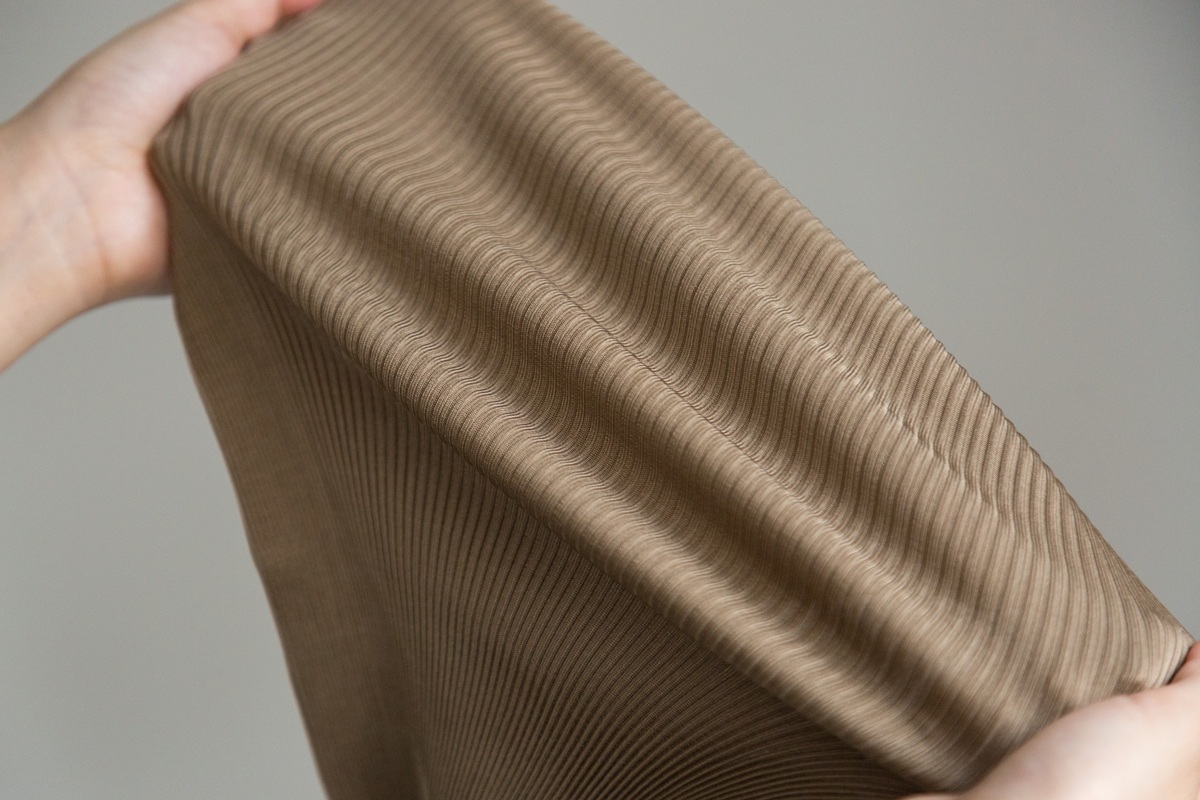
AROMATIQUEのシルクの心地よさを、ひとつの理由だけで説明することはできません。生糸だから、というだけでもない。イタリアの糸だからでも、ゆっくり編んでいるからでもない。
繭から繰り取られた長い繊維を使い、イタリアで糸の表情を整え、色をつくる。そして日本へ運び、和歌山でゆっくりと編み上げる。その一つひとつの選択と、その組み合わせによって、ようやくAROMATIQUEのシルクになります。
品質表示を見れば、そこに書かれているのは「シルク100%」という、たったひとつの言葉です。でも、その100%の中には、どんな糸を選び、どう加工し、どう色をつくり、どう編むのか。品質表示には書かれない、たくさんの選択があります。
「シルクだから心地よい」で終わるのではなく、私たちが本当に心地よいと思えるシルクを、自分たちの感覚でつくること。
肌に触れたときに感じる、あのやわらかさも。光を受けたときの、静かな艶も。AROMATIQUEらしい、少しだけ複雑な色も。そのすべてが、「シルク100%」という言葉の、その先にあるものです。
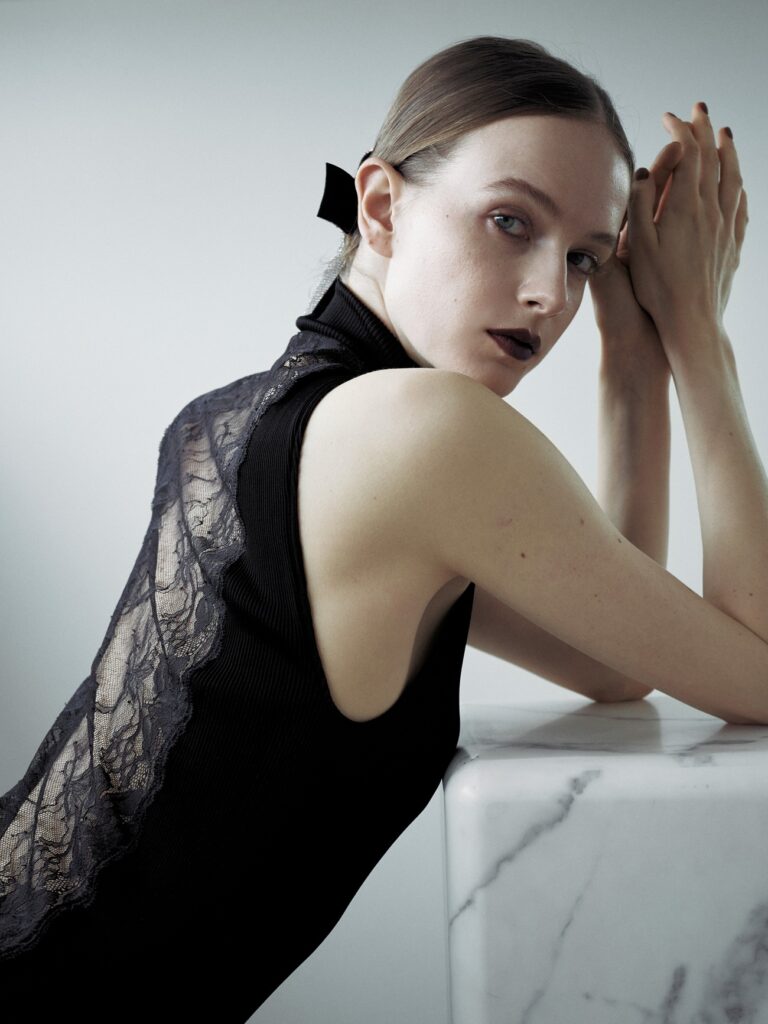
そして、今のシルクが完成形だとも思っていません。父が選んだ生糸を受け継ぎながら、その時々で、もっと心地よく、もっと美しくできないかと考え、私たちは少しずつ手を加えてきました。素材も、技術も、つくり方も、これからまた変わっていくかもしれません。
変わらないのは、着心地の好さを追究すること。
これからも、触れて、着て、ときにはつくり方そのものを見直しながら、AROMATIQUEが考える「心地好い」を更新し続けていきたいと思います。
ブランドディレクター 髙木 麻衣
Beyond “100% Silk”
The words “100% silk” may immediately bring to mind something smooth, soft, and beautiful against the skin. Yet even when two fabrics are both labelled 100% silk, the way they feel, their lustre, and even the way they hold colour can be remarkably different, depending on the yarn, the way it is processed and dyed, and how the fabric itself is knitted.
Since the beginning of AROMATIQUE, we have continued to create silk innerwear designed to be worn directly against the skin. In a previous Journal, we shared how we have gradually refined our silk over the years, evolving it toward the texture and comfort we believe in today. This time, we wanted to go a little deeper—to the very beginning of our silk, and to the yarn itself.
The silk we use begins with what is known as raw silk: long, continuous filaments reeled from the silkworm cocoon and gathered together to form a yarn. Unlike spun silk, which is made by spinning shorter fibres together, these continuous filaments have very little surface fuzz, giving the silk its smooth appearance and naturally beautiful lustre.
It was not my decision to begin using this particular silk. When AROMATIQUE first developed its silk fabric, my predecessor(my father) was looking for something slightly crisper and drier to the touch than the silk we use today. The choice of raw silk became the starting point for creating that particular texture.
The yarn is made by Ongetta, a company based near Venice, Italy, with more than a century of experience working with silk. With generations of knowledge and expertise in continuous-filament silk yarns, they create yarn for AROMATIQUE according to the texture and colours we are looking for.
While I inherited this silk from the generation before me, my own preference is for something softer—silk that falls gently and naturally against the body. A few years ago, I visited Ongetta and we reconsidered the fineness of the yarn, its twist, and the way it was processed. Rather than changing the raw silk itself, we changed what happened after that starting point, preserving its smooth surface and beautiful lustre while creating a softer, more supple hand. This became the silk AROMATIQUE uses today.
There are reasons we continue to choose raw silk.
Its long, continuous filaments create a beautifully smooth surface, a delicate lustre, and an elegant appearance as the fabric follows the body. For AROMATIQUE, silk is not only about how it feels against the skin. We also care about how it looks when worn, how quietly it catches the light, and how much depth can be found within its colour.
And colour is another essential part of our silk.
Rather than dyeing the finished fabric, our silk is yarn-dyed in Italy. From our signature Black and Ecru to the subtle seasonal shades we develop, colour has always been an important part of the AROMATIQUE world. The smooth character of the silk, combined with Ongetta’s dyeing expertise, gives the yarn a clarity and depth of colour that has become distinctive to our silk collection.
We have explored whether the same qualities could be achieved with silk sourced domestically in Japan. So far, however, we have not found a yarn-dyed silk that gives us the same combination of colour and texture we are looking for. The value is not in importing yarn all the way from Italy simply for the sake of doing so. We continue to use this yarn because, in searching for the colour, texture, and expression we want, this is still where we arrive.
Once the yarn reaches Japan, it becomes fabric.
Our silk is knitted by a specialist knitter in Wakayama. The knitting machines are run slowly, with selected needles removed to create a more open construction, allowing the fabric to be knitted gradually and with space within its structure. The result is a fabric that holds more air, with the soft, full touch and natural ease against the body that have become characteristic of AROMATIQUE silk.
Recently, we tried knitting the very same silk yarn on a high-speed machine. The difference surprised us. Despite using exactly the same yarn, the finished fabric felt entirely different—firmer, denser, and much less like the silk we know as AROMATIQUE.
The character of a fabric is never determined by the yarn alone. The type of yarn, its twist and processing, the knitting machine, its speed, and the arrangement of its needles can all change the final result, creating entirely different textures and expressions.
For AROMATIQUE, that means preserving the smoothness and lustre of the silk while knitting it slowly and allowing space within the fabric. It is the combination of the yarn created in Italy and the way it is knitted in Wakayama that gives our silk the texture we are looking for.
Seeing—and touching—the fabric produced on a high-speed machine reminded us of something important. Taking more time is not, in itself, what makes something better. What matters is understanding that, to create the texture we want, this particular speed and this particular way of knitting are necessary. Neither choosing raw silk nor knitting slowly is the goal in itself. They are choices we make in order to create silk that feels beautiful and comfortable to us.
The comfort of AROMATIQUE silk does not come from one thing alone. Not simply because it begins with raw silk. Not simply because the yarn comes from Italy, nor because it is knitted slowly in Japan.
It begins with long silk filaments reeled from the cocoon. In Italy, the yarn is refined and colour is created. It then travels to Japan, where it is slowly knitted in Wakayama. Each of these choices—and the way they come together—is what ultimately creates AROMATIQUE silk.
Look at the care label, and all you will see is a simple phrase: “100% silk.” But within that 100% are countless choices that never appear on a label—what kind of yarn to use, how it should be processed, how colour should be created, and how the fabric should be knitted.
For us, it is not enough to stop at the idea that silk is comfortable simply because it is silk. We want to create the kind of silk that truly feels right to us.
The softness you feel against the skin. The quiet lustre as it catches the light. The subtle complexity of an AROMATIQUE colour.
All of these exist beyond those two simple words: “100% silk.”
And we do not believe that the silk we make today is the final answer. We have inherited the raw silk chosen by the generation before us, while continuing to ask how we might make it more comfortable, more beautiful, and more relevant to the way we want to wear it today. Materials may evolve. Techniques may change. The way we make things may change again, too.
What will not change is our pursuit of comfort.
We will continue to touch, wear, reconsider, and refine—sometimes even questioning the way something is made—to keep evolving what “comfort” means to AROMATIQUE.
Brand Director,
Mai Takagi